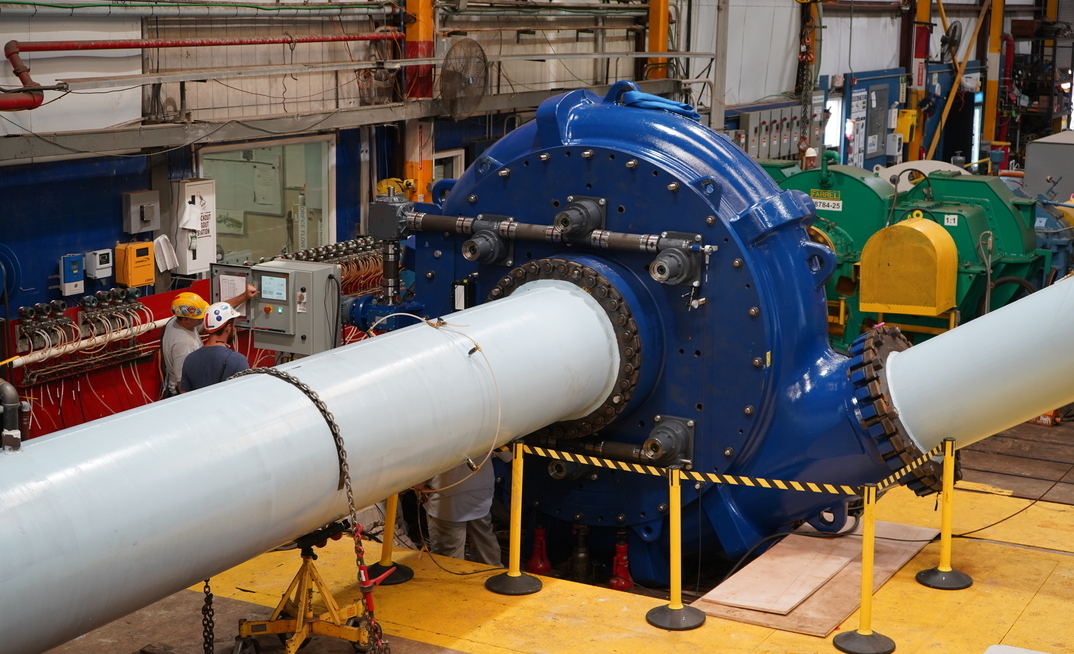
The Ultimate Guide to Slurry Pumps: Selection, Maintenance, and Best Practices
Introduction
Slurry pumps represent a critical yet often overlooked component in industrial operations. While they account for only about 5% of all centrifugal pumps installed globally, they can represent up to 80% of operating costs in mining and heavy industry applications . This striking statistic underscores the importance of proper selection, operation, and maintenance of these specialized machines.
Unlike standard centrifugal pumps designed for clean water or light fluids, slurry pumps are engineered to handle the most demanding conditions—abrasive particles, corrosive chemicals, high solid concentrations, and viscous mixtures that would quickly destroy conventional pumping equipment.
This comprehensive guide will walk you through everything you need to know about slurry pumps, from fundamental principles to advanced selection criteria, helping you maximize service life and minimize total cost of ownership.
Chapter 1: What Is a Slurry Pump?
A slurry pump is a robust centrifugal pump specifically designed to handle mixtures of liquid and solid particles—commonly known as slurry . These pumps are the workhorses of industries where standard pumps would fail due to the harsh properties of the pumped media.
The Core Difference
What separates a slurry pump from a standard centrifugal pump? Everything that comes into contact with the pumped fluid. The hydraulic end components—impeller, casing, and wear plates—are constructed from highly wear-resistant materials designed to withstand the erosive forces of solid particles. The shaft, bearings, and sealing systems are similarly beefed up to handle the increased stresses of heavy-duty operation.
Key distinction: Slurry pumps are a heavy-duty, reinforced version of centrifugal pumps, capable of operating under abrasive conditions and with media containing significant solid content .
Slurry Defined
Understanding your slurry is the first step toward proper pump selection. Slurries can be classified into three main types based on particle behavior :
- Homogeneous mixtures (uniform particle distribution)
- Pseudo-homogeneous mixtures (particles remain suspended with higher concentration near the bottom)
- Heterogeneous mixtures (rapid settlement and bed formation)
Additionally, slurries are categorized as either:
| Type |
Particle Size |
Behavior |
| Non-settling slurry |
<60–100 µm |
Particles remain suspended; behaves like a viscous fluid |
| Settling slurry |
>100 µm |
Particles settle quickly; requires turbulent flow to maintain suspension |
This distinction is critical for system design, pipeline velocity calculations, and pump selection .
Chapter 2: Industry Applications
Slurry pumps are indispensable across a wide range of industries :
| Industry |
Typical Applications |
| Mining and Mineral Processing |
Mill discharge, tailings transport, concentrate pumping |
| Construction |
Dewatering, aggregate handling, tunneling |
| Wastewater Treatment |
Sludge transfer, grit handling |
| Energy/Power Generation |
Ash handling, FGD (flue gas desulfurization) |
| Oil and Gas |
Drilling mud circulation, produced water |
| Pulp and Paper |
Wood pulp transfer, waste handling |
| Agriculture |
Manure pumping, biogas feed systems |
The specific application heavily influences the type of pump, material selection, and configuration required.
Chapter 3: Types of Slurry Pumps
By Configuration
Horizontal Slurry Pumps
The most common configuration, featuring the hydraulic end and drive unit mounted outside the sump. These offer:
- Wide range of flow and head parameters
- Easy maintenance access
- Standardized electric motors and seals
Drawbacks: Not suitable for flooded or submerged installations .
Vertical Slurry Pumps
Two subtypes exist:
- Sump-type pumps: Serves as both the wet end and the tank
- Cantilever/column pumps: Hydraulic section submerged, motor mounted above
Disadvantages: Bulky design with long shaft overhang, limited access, and non-watertight construction can lead to motor damage if flooded .
Submersible Slurry Pumps
Fully submerged in the pumped media, offering distinct advantages:
- Compact design with motor and hydraulic section as one unit
- No base frame required
- Motor cooled by surrounding liquid
- Low noise operation
- Up to 30 starts per hour possible
Drawbacks: Maximum media temperature typically limited to 40°C for motor cooling .
By Pumping Principle
Centrifugal Slurry Pumps
The most common type, using an impeller rotating within a volute to generate centrifugal force that moves the slurry. These offer:
- Higher flow rates
- Greater energy efficiency
- Fewer moving parts, lower maintenance costs
Limitations: Reduced performance with very viscous or high-solid-content slurries .
Positive Displacement Pumps
Recommended when total solid content exceeds approximately 12%, these pumps use mechanical elements (pistons, lobes, or scrolls) to create suction and discharge cycles. They provide:
- Higher pressure capability
- Consistent flow rate regardless of pressure changes
- Better handling of viscous fluids
Limitations: Higher maintenance, lower flow rates compared to centrifugal pumps .
Chapter 4: Material Selection
Wear material selection is perhaps the most critical decision in slurry pump specification. The wrong material choice will drastically shorten service life regardless of hydraulic performance .
Metal Wear Parts
High-chrome white iron alloys are the industry standard for abrasive applications. The chromium content typically ranges from 27% to 35% .
| Alloy |
Hardness |
pH Range |
Best Application |
| Cast iron |
180 BHN |
6-9 |
Light, non-corrosive slurries |
| 28% Chrome iron |
600–700 BHN |
5-12 |
Abrasive, moderately corrosive |
| 30% Chrome iron |
500–550 BHN |
4-13 |
FGD services, pH challenges |
| 35% Chrome iron |
400–450 BHN |
1-13 |
Abrasive, severely acidic (chlorides, fluorides) |
| 316 Stainless (CF8M) |
160–200 BHN |
3-11 |
Light, corrosive service |
| CD4MCu duplex |
225–325 BHN |
2-12 |
Severe corrosion, chlorides |
Selection note: Higher chromium content generally improves corrosion resistance but may reduce hardness. The 28% chrome iron remains the most common choice for balancing wear resistance and cost .
Rubber and Elastomer Linings
Elastomer-lined pumps absorb impact energy from particles, making them ideal for fine-particle abrasive services and corrosive environments .
| Material |
Hardness (Shore A) |
Max Temp |
pH Range |
Best Application |
| Natural rubber |
40 |
68°C |
5-12 |
Fine particles, moderate chemicals |
| Polyurethane |
81 |
65°C |
3-11 |
Fine particles only (<150 mesh) |
| Neoprene |
60 |
100°C |
3-12 |
Moderate chemicals |
| Nitrile |
60 |
104°C |
4-12 |
Oils and hydrocarbons |
| Chlorobutyl |
50 |
121°C |
3-12 |
Excellent chemical resistance |
Important: Rubber linings are generally limited to slurries with particles smaller than approximately 6 mm. Larger particles will cut and damage the elastomer .
Ceramic Coatings and Linings
Ceramic materials offer extreme abrasion and corrosion resistance for the most demanding applications, typically with a cost premium but significantly extended service life .
Chapter 5: Selecting the Right Pump
The Data Required
Pump selection begins with accurate data. The old adage “rubbish in means rubbish out” is particularly relevant here .
Minimum required information:
- Flow rate (Q) and head (H) requirements
- Slurry characteristics:
- Particle size distribution (d50, d85)
- Solid concentration (% by weight or volume)
- Specific gravity of both solids and liquid
- Abrasiveness and corrosiveness
Critical parameters:
- d85 = 3 mm means 85% of particles are 3 mm or smaller
- d50 = the median particle size
- Content of particles <75 µm affects slurry behavior significantly
Understanding Pump Curves
Published pump performance curves are based on clean water—not slurry. Because there are endless slurry variations, manufacturers use sizing tools that adjust for slurry characteristics, producing a “slurry curve” that reflects real-world performance .
The Sweet Spot: Operating at BEP
Best Efficiency Point (BEP) is where the pump operates most efficiently and experiences minimum wear. For abrasive applications, the “sweet spot” becomes narrower—the operating range should be within 70%–120% of BEP for moderate abrasion, with tighter ranges for severe applications .
Positioning on the curve matters:
- Left of BEP: Recirculation occurs—material travels excessively around the casing, accelerating wear
- Right of BEP: Increased inlet velocity causes wear around discharge and impeller eye
Golden rule: Select pumps so the operating point is just to the left of BEP for optimal wear life and efficiency .
Service Classes
The Hydraulic Institute classifies applications from Class 1 (essentially water duty) to Service Class 4 (highly abrasive, such as mill discharge). Service class determines:
- Appropriate pump type
- Speed limits
- Material recommendations
- Maintenance intervals
Chapter 6: Pumping System Design
Critical Velocity
The velocity in slurry pipelines must remain above the “critical velocity”—the minimum speed at which solids remain suspended. Below this point, solids settle and form deposits, leading to:
- Increased wear
- Reduced pipe capacity
- Blockage risk
- Higher energy consumption
Design principle: Select a pipe diameter that keeps velocity just above critical, with some margin for operating variations.
Calculating Total Head
Total head calculations for slurry systems must account for:
- Static head (vertical lift from source to discharge)
- Friction losses (pipe friction, fittings, valves)
- Additional pressure (if required)
NPSH Considerations
NPSH (Net Positive Suction Head) is critical for preventing cavitation. For slurry pumps:
- Required NPSH (NPSHr) from the pump curve must be less than available NPSH (NPSHa)
- Available NPSH depends on atmospheric pressure, vapor pressure, slurry density, and liquid level
- Cavitation damage in slurry pumps is particularly severe due to the combination of hydraulic forces and particle impacts
Power Requirements
Selecting the correct motor size is crucial:
- NPSH and pressure data influence power requirements
- Slurry curves are typically generated by manufacturer-specific tools
- The “pumping limit” (near BEP) defines the peak efficiency
Chapter 7: Sealing Systems
Keeping solids out of the stuffing box is essential for seal life. Slurry pump sealing options include :
Packed Stuffing Box
- High dilution/full flush: Seal cage inserted first, keeps all packing away from slurry
- Low dilution/weep: Two packing rings before seal cage, lower water consumption
- Requires flush water at ~10% above discharge pressure
- Advantage: Simple, reliable
- Disadvantage: Water consumption and product dilution
Dynamic Seal (Expeller Seal)
- Uses a rotating element to create negative pressure in the stuffing box
- Prevents slurry from reaching packing without external flush
- Works only when pump is running—requires secondary seal for shutdown
- Additional power consumption
Mechanical Seals
Increasingly accepted in slurry applications:
- Heavy-duty design with silicon carbide faces
- Metal components often high-chrome iron
- Can run with or without flush water
- Disadvantage: High cost, requires careful application
Seal selection factors:
- Abrasiveness of the slurry
- Permissible product dilution
- Maintenance capability
- Initial cost vs. lifecycle cost
Chapter 8: Key Components and Design Features
Impeller Types
| Type |
Best Use |
Characteristics |
| Channel impeller |
Suspended solids |
Single-channel for large solids; multi-channel for efficiency |
| Multi-vane/high head |
Long-distance pumping |
High efficiency, high head capacity |
| Vortex/set-back |
Raggy/fibrous solids |
Whirlpool effect, reduced clogging |
Impeller design features:
- Front and rear impeller shrouds with vanes reduce recirculation
- Threaded impeller attachment eliminates need for bushings or nuts
- Replaceable between hard-metal and elastomer versions
Casing and Liners
- Two-piece construction from cast or ductile iron with reinforcing ribs
- Replaceable liners significantly reduce maintenance costs
- Elastomer seals at all liner connections prevent leakage
Bearing Assembly
- Large-diameter shaft with short overhang minimizes deflection
- Extended bearing life through robust design
- Heavy-duty bearings suitable for continuous operation
- Four through-bolts secure the cassette-type bearing housing
Chapter 9: Maintenance Best Practices
Routine Inspections
A structured inspection program is essential for reliable operation :
Daily/Weekly:
- Visual inspection of packing/seals for leakage
- Monitor bearing temperatures
- Check lubricant levels and condition
- Listen for unusual noise or vibration
Monthly/Quarterly:
- Inspect impeller for wear or damage
- Check wear plates and liners
- Examine mechanical seal oil for contamination
- Inspect cables (submersible pumps)
Nose Gap Adjustment
Maintaining proper impeller-to-liner clearance (nose gap) is critical for performance and wear life. Clearance should be checked regularly and adjusted to manufacturer specifications .
Sealing Water Management
For packed pumps with flush water:
- Maintain proper pressure (10% above discharge pressure)
- Monitor flow rate
- Ensure water quality to avoid premature packing wear
Avoiding Critical Failure Modes
Cavitation:
- Maintain adequate NPSHa
- Monitor pump speed
- Keep operation near BEP
Run-dry conditions:
- Install flow sensors or interlocks
- Shut down before damage occurs
- Use level controls in sumps
Loss of performance indicators:
- Excessive wear on liners/impellers
- Loss of flow or pressure
- Seal failure
- Bearing overheating
- Frequent clogging
Proactive Monitoring
The best maintenance strategy is proactive rather than reactive. Regular inspections that identify developing issues allow planned interventions before failure occurs, minimizing downtime and reducing overall maintenance costs .
Chapter 10: Troubleshooting
Common Issues and Solutions
| Problem |
Likely Causes |
Solutions |
| Rapid wear rate |
Wrong material selection, operating point off BEP |
Review slurry characteristics, check operating point |
| Cavitation damage |
Insufficient NPSHa, excessive speed |
Increase NPSHa, reduce speed, ensure sufficient system back pressure |
| Run-dry damage |
No flow detection |
Install flow sensors and interlocks |
| Loss of flow/pressure |
Worn impeller or liner, nose gap drift |
Inspect and replace wear parts, reset clearance |
| Seal failure |
Abrasive ingress, improper flush |
Review sealing method, adjust flush pressure |
| Bearing failure |
Contamination, misalignment, overheating |
Check lubrication, alignment, and cooling |
When to Seek Expert Help
Consider consulting a specialist when :
- Pump components wear out unusually quickly
- Unexplained loss of capacity occurs
- Medium contains abrasive solid particles
- The right pump choice is uncertain
- System changes are planned
Summary: The Slurry Pump Selection Checklist
- Define the application: Industry, process, operating conditions
- Characterize the slurry: Particle size distribution, concentration, abrasiveness, corrosiveness, temperature
- Determine system parameters: Flow rate, total head, pipeline layout, critical velocity
- Select configuration: Horizontal, vertical, or submersible
- Choose pump type: Centrifugal or positive displacement
- Select materials: Metal alloy, elastomer, or ceramic based on slurry properties
- Position on the curve: Operating point near BEP, slightly left
- Size the motor: Account for slurry specific gravity, include appropriate power margin
- Specify sealing system: Based on abrasiveness and dilution constraints
- Plan maintenance: Establish inspection schedule, spare parts strategy
Conclusion
Slurry pumps are unique in the pumping world—they handle the most challenging fluids in the most demanding environments, yet they are often treated like standard pumps during selection and operation. This approach inevitably leads to high maintenance costs, unexpected downtime, and reduced service life.
By understanding the fundamental principles of slurry behavior, selecting appropriate materials, operating near the best efficiency point, and implementing a proactive maintenance program, you can significantly extend equipment life and reduce total cost of ownership.
Remember: successful slurry pumping begins with good data and continues with informed decisions throughout the equipment lifecycle. When in doubt, consult with experienced specialists who can help analyze your application and recommend optimal solutions .
Beijing XLHJ International offers end-to-end professional support — from selection to delivery of slurry pumps, ensuring optimal solutions for any industry and application.






 18.9.2026